


CLINICAL STUDIES
The Use of Light-Emitting Diode Therapy in the Treatment of Photoaged Skin.
“Light-emitting diode (LED) therapy is a nonablative, athermal intervention used in therejuvenation of damaged skin. It has been reported to be an effective, nonpainful, safe modalityyielding high patient satisfaction.”
Update on non-ablative light therapy for rejuvenation; a review.
“Specific LED light wavelengths are absorbed into the skin and used to modulate cell function, proliferation, and repair in sun-damaged tissue, in a process called photobiomodulation.”
Macrophage responsiveness to light therapy.
Young S, Bolton P, Dyson M, Harvey W.
Lasers Surg Med 1989; 9: 497-505.
“Red (633 nm) light has been shown to increase fibroblast growth factor and collagen synthesis
in the skin.”
A Prospective, Randomized, Placebo-Controlled, Double-Blinded, and Split-Face Clinical Study on LED Phototherapy for Skin Rejuvenation.
“830 and 633 nm LED phytotherapy is an effective approach for skin rejuvenation.”
A Prospective, Randomized, Placebo-Controlled, Double-Blinded, and Split-Face Clinical Study on LED Phototherapy for Skin Rejuvenation.
“It (LED) is considered to be effective for improving wrinkles and skin laxity.”
Effects of Radiofrequency, Electroacupuncture, and Low Level Laser Therapy on the Wrinkles and Moisture Content of theForehead, Eyes and Cheeks.
"Application of low-level laser therapy had positive effects on wrinkle and moisture content of adult women’s faces."
A Controlled Trial to Determine the Efficacy of Red and Near-InfraredLight Treatment in Patient Satisfaction, Reduction of Fine Lines, Wrinkles, Skin Roughness, andIntradermal Collagen Density Increase.
“The treated subjects experienced significantly improved skin complexion and skin feeling, profilometrically assessed skin roughness , and ultrasonographically measured collagen density.”
Low-Level Laser (Light) Therapy (LLLT) inSkin: Stimulating, Healing, Restoring.
“In dermatology, LLLT (low-level laser light therapy) has beneficial effects on wrinkles, acne scars, hypertrophic scars, and healing of burns.”
Assessment of the Efficacy of Blue LightPhototherapy in the Treatment of Acne Vulgaris.
“P. Acnes, one of the culprits involved in the pathogenesis of acne vulgaris, is the main target of all major medical treatments used.....Blue light (415-425 nm) does appear to have some role in
the management of acne and may be beneficial for the treatment of a select group of mild to
moderate acne patients.”
An Open Study toDetermine the Efficacy of Blue Light in the Treatment of Mild to Moderate Acne.
“Treatments over 4 weeks with a narrowband blue light was found to be effective in reducing the number of inflamed lesions in subjects with mild to moderate acne....Blue light phototherapy using a narrowband LED light source appears to be a safe and effective additional therapy for mild to moderate acne.”
Blue Light For Infectious Disease: Propionibacterium acnes, Helicobacter Pylori, andBeyond?
“Blue light therapy achieved a marked reduction of comedones, papules, pustules, and comedones +papules+postules by 45.5%, 59.3%, 46>8%, and 51.2% at 3 Weeks, as well as by 58.8%, 69.3%, 73.3%, and 64.0% at 5 weeks.....77% of the patients were improved by week 5. By week 5, 40% of the patients showed marked improvement or clearance of their acne lesions.”
THE METAMORPHOSIS COLLECTION
Perfectly Paired: Advanced Light Therapy Meets Tailored Hydrogels for Radiant After-Care.
-
SuperStar Pimple Patches | Clear Acne with LED Light Therapy


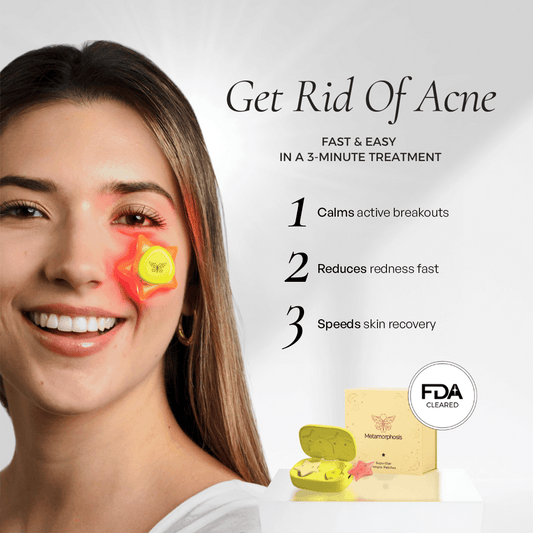 Clearer-looking skin, right where you need it
SuperStar Pimple Patches
Meet your new skincare MVP! SuperStar Pimple Patches combine powerful Red and Blue light therapy to tackle blemishes, reduce inflammation, and fight P.acnes bacteria. Designed for precision acne care, they’re hygienic, portable, and perfect for at-home treatments or on-the-go touch ups.- Regular price
- $259.00
- Sale price
- $259.00
- Regular price
-
Rated 4.9 out of 5 stars177 Reviews -
MagicMoon Eye Evolution | Rejuvenate Eyes with Clinically Tested LED Light Therapy

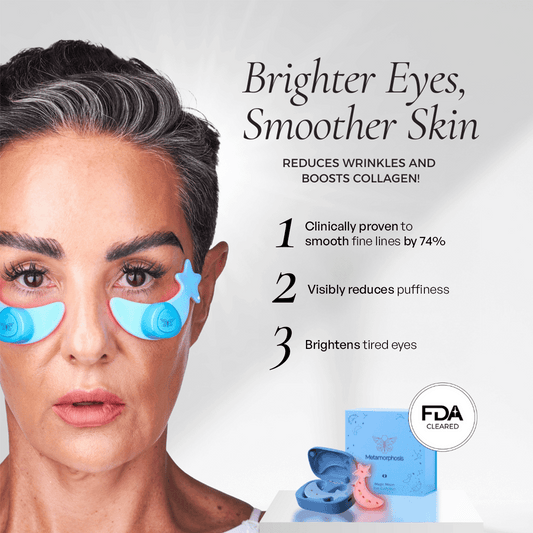 Smoother looking skin around the eyes in just minutes a day
MagicMoon Eye Evolution
Brighten and rejuvenate tired eyes with MagicMoon Eye Evolution. These twin LED-powered devices harness the advanced power of red and near-infrared light to smooth fine lines, reduce puffiness, and diminish dark circles. Designed to deliver professional-grade results, they are portable, easy to use, and perfect for achieving radiant, refreshed under-eye skin - whenever and wherever you need it!- Regular price
- $289.00
- Sale price
- $289.00
- Regular price
-
Rated 4.9 out of 5 stars173 Reviews -
LushLips Tantalizing Transformation | Fuller, Plumper Lips | LED Light Therapy


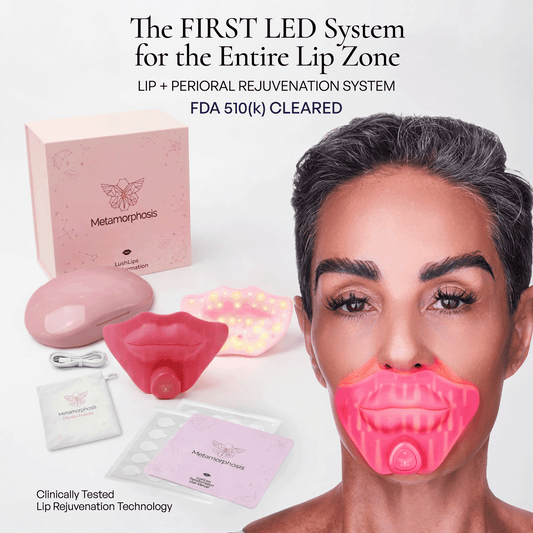 Clinically Designed LED Lip + Perioral Rejuvenation System
LushLips Transformation
Experience visibly fuller and more sculpted lips over time for a luscious, youthful look with LushLips Transformation, a revolutionary hands-free and bite-free device designed to deliver visibly plumper, smoother, and more defined lips - all from the comfort of home. Combining advanced LED technology from Red, Deep Red, Amber and Near-Infrared wavelengths with a sleek, ergonomic design, give your lips the care they deserve, with results you can see and feel!- Regular price
- $299.00
- Sale price
- $299.00
- Regular price
-
Rated 4.9 out of 5 stars293 Reviews -
SuperStar Hydrogel Mask | Deep Hydration & Rejuvenation for Radiant Skin

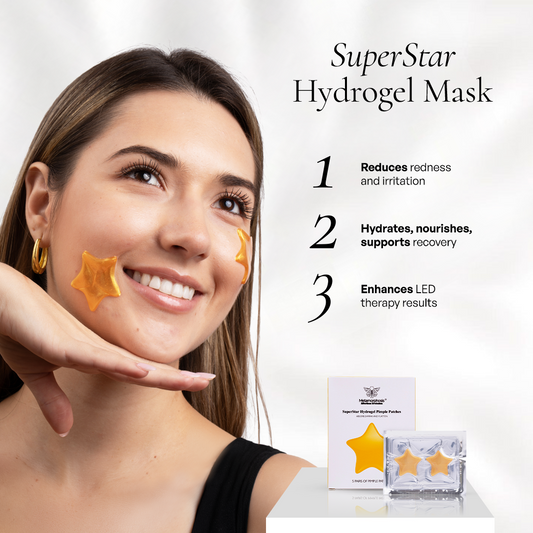 Confidence re-claimed: absorb, shrink and flatten
SuperStar Hydrogel Mask
Designed to calm irritation and soothe the skin, SuperStar Hydrogels are infused with skin-loving ingredients to reduce redness and inflammation while helping to minimize pimple swelling for a clearer, more balanced complexion.- Regular price
- $25.00
- Sale price
- $25.00
- Regular price
-
Rated 4.6 out of 5 stars409 Reviews -
MagicMoon Eye Evolution Hydrogel Mask | Moisturize, Revitalize & Brighten

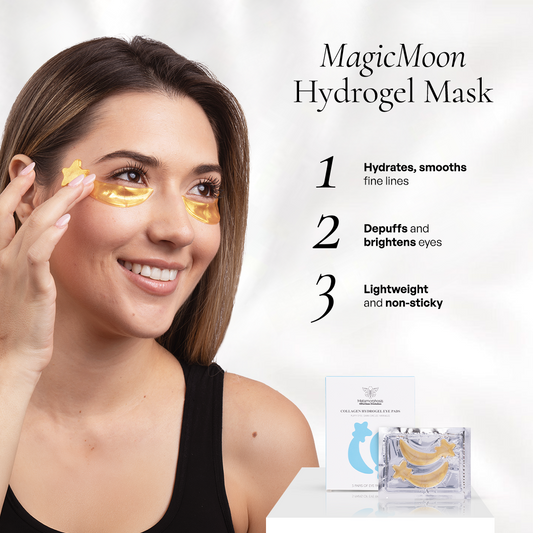 Hydrate, brighten, and refresh under-eyes
MagicMoon Hydrogel Mask
Infused with hydrating, soothing ingredients, the Magic Moon Hydrogel Mask reduces under-eye puffiness, fine lines, and dark circles. Perfect for pairing with LED light therapy or as a standalone treatment for refreshed and radiant eyes- Regular price
- $25.00
- Sale price
- $25.00
- Regular price
-
Rated 4.9 out of 5 stars474 Reviews -
LushLips Tantalizing Transformation Hydrogel Mask | Nourish, Plump & Smooth


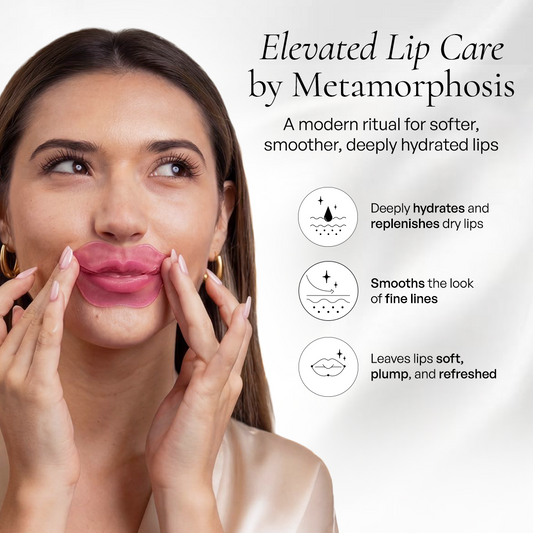 Hydrate, plump, and smooth for luscious, kissable lips
LushLips Hydrogel Mask
The deeply hydrating Lush Lips Hydrogel Mask rejuvenates and plumps lips, smoothing fine lines and enhancing softness. Perfect for pre-event prep or a luxurious daily skincare boost, it leaves lips nourished and supple.- Regular price
- $25.00
- Sale price
- $25.00
- Regular price
-
Rated 4.7 out of 5 stars454 Reviews


