Why You Need a Targeted Red Light Therapy Device for Eyes, Lips, and Acne

Many serums or full-face red light masks promise total care, and red light panels can feel powerful, but they may not reach the most needed areas with enough closeness, comfort, or precision.
The lip zone, the delicate under-eye area, and periorbital wrinkling often need more thoughtful attention than a broad device can give. These are the places where expressions live. Where stress gathers. Where aging can feel most personal.
That is why focused LED treatment matters. A target LED device is not about replacing your routine. It is about refining it. It brings care closer to the small, emotional, high-need zones that deserve to be seen.
To discover which device is best suited to your skin’s needs, explore the Metamorphosis Skin Analysis.
Why Full-Face LED Masks Miss Key Skin Areas
Full-face LED masks and panels are helpful for general radiance, but facial contours are not flat. The skin around the nose, mouth, eyes, and jawline curves, folds, and moves. Because of this, light may not contact every area evenly. A panel also sits at a distance, which can make it harder to focus energy on small zones such as smile lines, the lip border, under-eye creases, or a single breakout.
Masks can leave gaps around the eyes, nose bridge, and mouth for comfort and safety. These gaps are practical, but they also mean some of the most expressive areas may receive less direct exposure.
Targeted devices solve this by making treatment more intentional, flexible, and area-specific. Red and near-infrared light have been studied for skin rejuvenation and collagen-related improvements, but placement and consistency still matter.
Red Light Therapy for Periorbital Wrinkles and Under-Eye Area

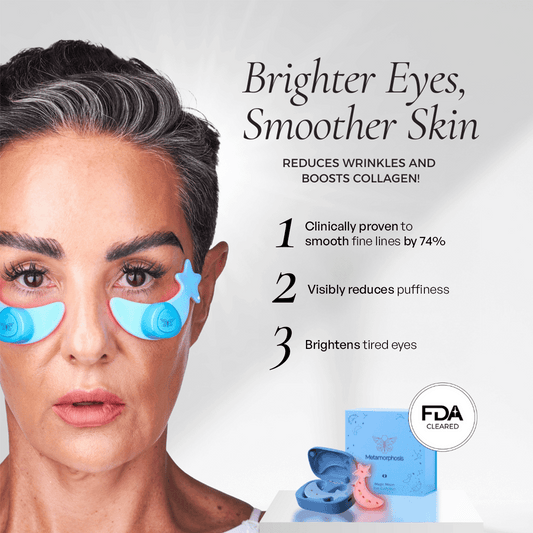
The under-eye area is thin, expressive, and easily affected by dryness, fatigue, and fine lines. Red light therapy may support this delicate zone by encouraging healthier-looking skin texture and helping the skin feel calmer over time. Studies on red and near-infrared LED treatments have reported improvements in skin feel, fine lines, wrinkles, roughness, and collagen density, which is why this technology is often discussed in skin rejuvenation routines.
For under eyes, the benefit of a targeted device is control. You can treat close to the concern without covering the whole face again. It feels more personal. More precise. Used consistently and gently, it can become a small ritual for skin that looks rested, smoother, and better cared for.
Red Light Therapy for the Perioral Area
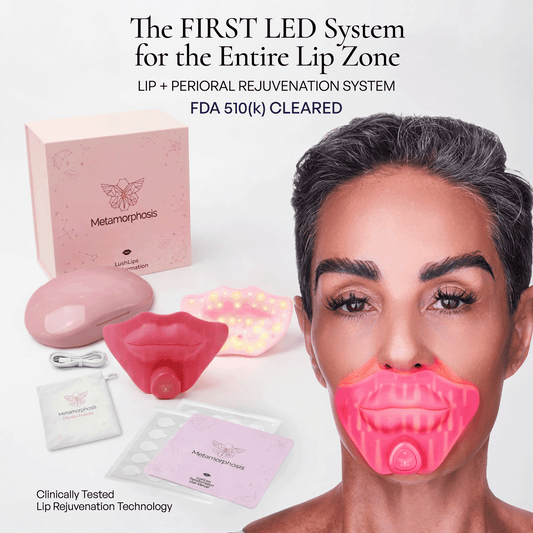
The lip zone is one of the hardest areas to treat well. It moves constantly when we speak, smile, sip, and laugh. Over time, this movement can make the lip border and surrounding skin look creased or less smooth. A full-face mask may not sit closely enough around the mouth, while a panel may feel too broad for such a specific concern.
Red light therapy may support a healthier-looking lip area by helping improve the appearance of texture, fine lines, and overall skin quality. Clinical research has connected red and near-infrared light treatments with visible improvements in wrinkles and skin roughness, making focused care especially relevant for expression-heavy zones. A targeted device lets you give the lip zone the attention it often misses.
Red Light Therapy for Acne-Prone Areas and Blemish Spots
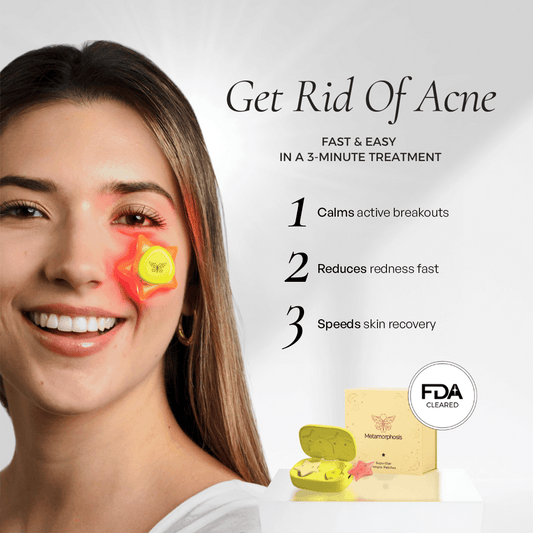
Acne can feel deeply personal. One small inflamed spot can change how you feel walking into a room. Red light therapy may help acne-prone areas by supporting calmer-looking skin and helping reduce the appearance of redness associated with blemishes. For acne, red light is often discussed alongside blue light, and reviews have found that red, blue, or combined LED approaches may improve mild to moderate acne lesions as adjunctive care.
A targeted device is useful because breakouts are rarely spread evenly across the whole face. They appear on the chin, around the mouth, near the cheeks, or in one stubborn spot. Focused LED care allows you to treat the area that needs attention without turning every session into a full-face routine.
What Does Research Say
Research shows that LED therapy is wavelength-specific, meaning each color can serve a different skin purpose. Blue light, usually around 414 to 445 nm, is mainly studied for mild to moderate acne because it targets acne-related bacteria near the skin surface. Red light, commonly around 630 to 670 nm, is used for acne support too, but it is also linked with calming inflammation and improving the look of fine lines.
In a controlled trial, red and near-infrared light treatments improved skin appearance, roughness, wrinkles, and collagen density compared with controls. A 2013 study reports that near-infrared light, often 700 nm and above, reaches deeper tissue and is frequently discussed in photobiomodulation for repair, wound healing, and deeper skin support. The key takeaway is simple: different wavelengths do not do the same job. A targeted LED device matters because it can place the right light closer to the right concern with more precision and daily consistency.
How to Integrate a Target LED Device Into Everyday Life
A target LED device works best when it feels easy enough to repeat. Use it after cleansing, before heavier creams or oils, so the light can reach clean skin. Choose one or two focus areas each session, such as the under eyes in the morning or the lip zone at night. Keep the routine calm. No rushing. Just a few intentional minutes for the areas that ask for more care.
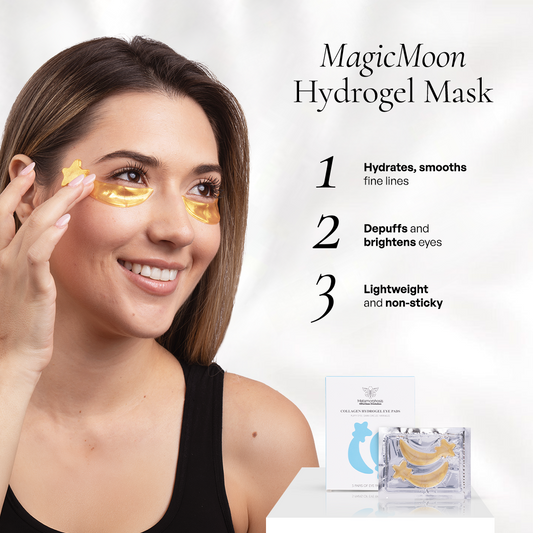
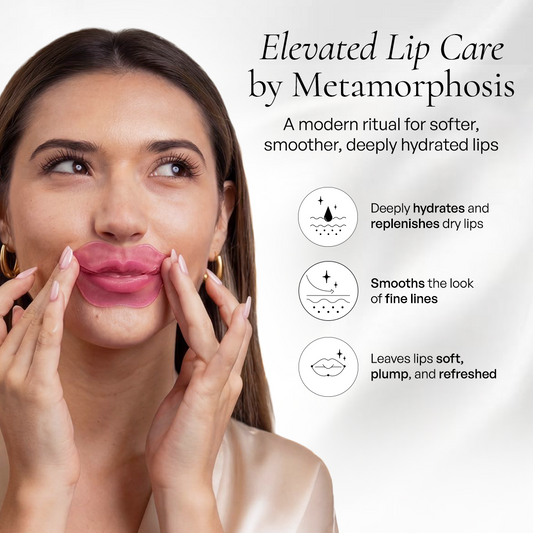
This is where a device like MagicMoon and LushLips can fit naturally. It can become the focused step between skincare and self-care, especially on days when your whole face does not need treatment, but one area does. Pair it with consistency, sunscreen during the day, and a gentle routine. Small rituals can create visible confidence over time.
Frequently Asked Questions
Do I still need a targeted LED device if I already use a full-face mask?
A full-face mask can support overall glow, but a targeted LED device helps focus on areas that masks may not reach closely, such as the lip zone, under eyes, smile lines, or individual blemishes.
Can I use a targeted LED device every day?
Follow the device instructions first. Many at-home LED routines are designed for consistent weekly use, but more is not always better. Gentle, regular sessions are usually more sustainable than overuse.
Is red light therapy a replacement for skincare?
No. Think of it as a supportive step. Red light therapy may help improve the appearance of skin texture, fine lines, and blemish-prone areas, but it works best with cleansing, hydration, sunscreen, and patience.
Explore Metamorphosis targeted LED devices as a softer, more intentional way to support the areas that matter most to you. Start with one zone, one small ritual, and let consistency do the rest.