How to Tell If Red Light Therapy Really Works
Red light therapy works for some skin and pain outcomes, but the evidence varies. Learn what studies show, how often to use it, and what to expect at home.

Last Updated: October 26, 2026
Quick Summary
Red light therapy really works for some outcomes but not others, and the evidence varies sharply by condition. Skin rejuvenation is well supported, acne and wound healing are promising but preliminary, while pain, hair growth and sleep claims rest on mixed or insufficient evidence.
- Most protocols use 10 to 12 minutes per session, two to three times per week.
- Look for 630 to 660 nanometers for red and 800 to 850 nanometers for near-infrared.
- At 50 mW/cm² for 10 minutes, you deliver about 30 J/cm², a dose used in many skin studies.
- FDA clearance confirms a safety review for a stated use, not every marketing claim.
- Skip at-home use if pregnant, since safety data is limited.
Table of Contents
- What the Evidence Really Says About Red Light Therapy
- Red Light Therapy Benefits for Skin: Collagen, Acne, and Firmness
- How Often to Use Red Light Therapy for Visible Results
- Red Light Therapy Side Effects and Who Should Skip It
- Red Light Therapy at Home: What to Check Before You Buy
- Choosing a Device That Matches the Evidence
- Frequently Asked Questions
What the Evidence Really Says About Red Light Therapy
Does red light therapy really work? The honest answer: it works for some outcomes, under some conditions, and the strength of the evidence varies sharply by what you're trying to fix. Red light therapy is a non-invasive treatment that exposes skin to specific wavelengths of red and near-infrared light to trigger a cellular response.
Most coverage flattens that nuance into a single yes-or-no verdict. You can browse our science and clinical research to see the studies behind these claims.
How to Read the Evidence Grades
- Well supported: Multiple randomized controlled trials or systematic reviews point in the same direction, with consistent protocols and clinically meaningful outcomes.
- Promising but preliminary: Some trials show benefit, but studies are small, short, or inconsistent in wavelength, dose, and population.
- Mixed or conflicting: Studies disagree, or benefits appear in some measures but not others.
Evidence by Condition and Outcome
| Condition or outcome | Evidence grade | What the research shows |
|---|---|---|
| Skin rejuvenation (fine lines, texture, firmness) | Well supported | The deepest evidence base. A prospective clinical trial by A. Wunsch and colleagues investigated the safety and efficacy of novel light sources for skin rejuvenation and skin stimulation, published in the controlled trial on red and near-infrared light. A 2026 product-guide review reports that two randomized controlled trials concluded combining red and near-infrared wavelengths produced synergistic benefits, including enhanced collagen density. |
| Acne and inflammation | Promising but preliminary | Red light targets bacteria and calms inflammation, and several small trials show reduced lesion counts. Results vary with wavelength, dose, and whether the device is used alone or with topicals. |
| Wound healing and tissue repair | Promising but preliminary | Laboratory and animal data are strong; human trials are fewer and often use clinical devices at doses consumer devices do not reproduce. |
| Pain relief | Mixed or conflicting | Some trials show modest benefit for specific musculoskeletal complaints; others show no difference from sham treatment. Protocol differences, dose, wavelength, treatment site, likely explain much of the disagreement. |
| Hair growth | Mixed or conflicting | A few trials report increased density, but studies are small and results are not consistently replicated. |
| Sleep and mood | Insufficient evidence | Mostly small studies and mechanistic reasoning; not enough reliable data to make a confident claim. |
Why the Research Disagrees
When studies conflict, the explanation usually sits in the protocol rather than the therapy itself. Wavelength, irradiance, fluence, distance from the device, session length, and treatment frequency all change the dose delivered to tissue, and a study that underdoses or overdoses can produce a null result even when the underlying mechanism is real. Population differences matter too: skin type, age, baseline condition severity, and whether participants used other treatments all shift outcomes.
The Null and Negative Findings
Not every claim survives scrutiny. Stanford Medicine reports that studies did not show strong and consistent success, while Cleveland Clinic says some studies are promising but experts do not yet know the therapy's full effectiveness. Those assessments are worth taking seriously rather than explaining away. Some trials have found no significant difference from sham treatment for pain and skin outcomes, and publication bias, the tendency for positive results to be published more often, likely inflates the apparent strength of the literature.
Key Takeaway
The strongest evidence supports skin rejuvenation, particularly with combined red and near-infrared wavelengths. Pain, hair growth, and sleep claims sit on thinner ice. When you evaluate any new study or product claim, ask three questions: which outcome, at what dose, in which population?
Red Light Therapy Benefits for Skin: Collagen, Acne, and Firmness
The clearest red light therapy benefits for skin cluster around three outcomes: collagen support, acne management, and firmness. Photobiomodulation, the technical name for this process, appears to work by delivering light energy to mitochondria, the structures inside cells responsible for ATP production (Proposed Mechanisms of Photobiomodulation or Low-Level Light Therapy). More cellular energy means fibroblasts, the cells that build collagen and elastin, have more to work with.
Acne responds through a different route. Red light targets bacteria and calms inflammation, which is why it appeals to people who want to avoid harsh topicals. For a deeper look at how collagen remodeling unfolds over time, read our breakdown of how red light therapy stimulates collagen, and for breakout-specific protocols, see how light therapy treats acne.
How Often to Use Red Light Therapy for Visible Results
Most protocols land at 10 to 12 minutes per session, two to three times per week, based on the trial patterns summarized in the 2026 review. Consistency beats intensity. Skipping a week and doubling the session does not compensate.
Expect a realistic timeline:
| Timeframe | What Most Users Notice |
|---|---|
| Weeks 1-2 | Little visible change; skin may feel calmer |
| Weeks 4-6 | Subtle brightness, improved texture |
| Weeks 8-12 | Firmer feel, softened fine lines |
| Beyond 12 weeks | Maintenance dosing, 2-3 sessions weekly |
Visible results in as little as four weeks are achievable with targeted devices, though individual outcomes vary.
Red Light Therapy Side Effects and Who Should Skip It
Red light therapy side effects are uncommon and typically mild: temporary redness, warmth, or slight dryness at the treatment site. The therapy is generally low risk when used as directed.
Watch out: eye protection matters. Never stare directly into an LED array, and use the included shields during facial sessions.
Skip it, or check with a physician first, if you:
- Take photosensitivity-inducing medications such as certain antibiotics or isotretinoin
- Have active skin infections or open wounds in the treatment area
- Are pregnant, since safety data is limited
Red Light Therapy at Home: What to Check Before You Buy
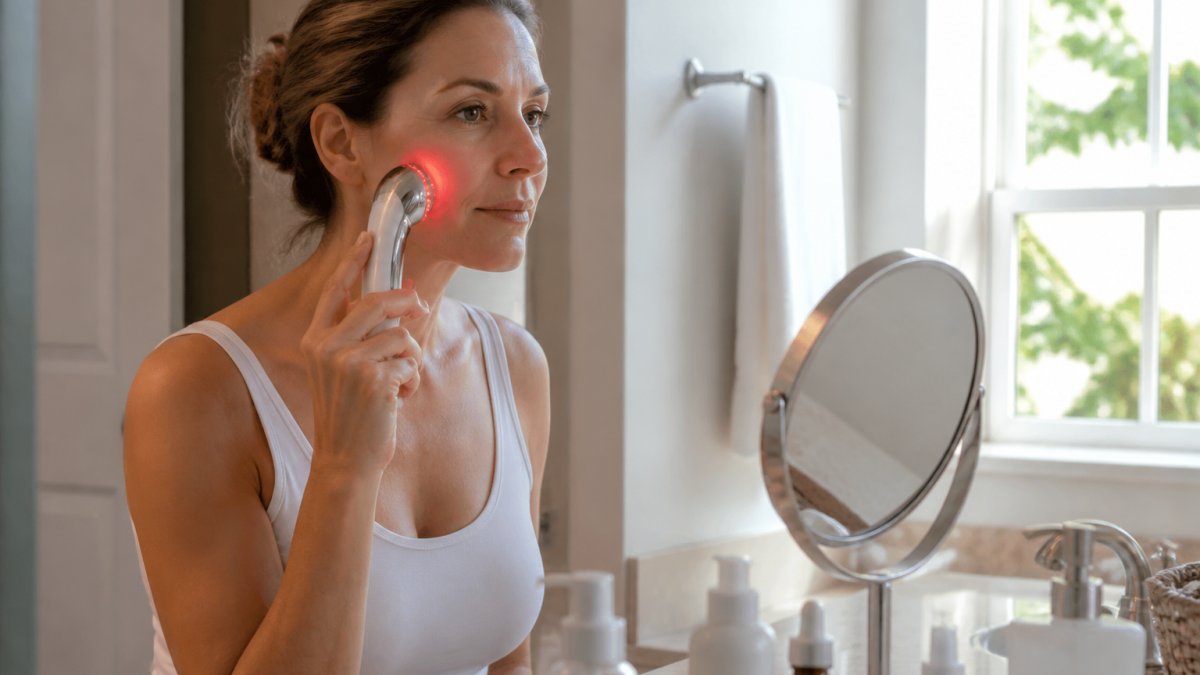
At-home devices have closed part of the gap with professional treatments, but not all of it. The practical question is not whether a device is "FDA cleared" in the abstract, it is whether the device and your protocol resemble the ones that produced the results in the studies.
The Four Specifications That Matter
1. Wavelength. Look for 630 to 660 nanometers for red and 800 to 850 nanometers for near-infrared.
2. Irradiance (power density). This is the power delivered per area, usually expressed in milliwatts per square centimeter (mW/cm²).
3. Fluence (dose). Fluence is irradiance multiplied by time, expressed in joules per square centimeter (J/cm²).
4. Treatment distance and coverage. Irradiance drops sharply with distance.
Pro Tip
Before buying, ask the seller for three numbers: wavelength in nanometers, irradiance in mW/cm² at a stated distance, and recommended session length. If any of the three is missing, you cannot compare the device to the studied protocols.
At-Home Versus Clinical Treatment
The two are not the same product at different prices. Clinical devices generally deliver higher irradiance, cover larger areas, and are operated under supervision that adjusts dose to your skin and response. At-home devices trade power and supervision for convenience and lower cost per session. That trade-off is reasonable for maintenance and for mild concerns, but it is not a substitute for a clinical protocol when a condition is moderate to severe.
FDA Clearance: What It Does and Does Not Mean
FDA clearance signals that the device met a regulatory safety review for its stated intended use, it is not an endorsement that the device works for every claim in the marketing copy. Read the cleared indication, which is usually narrower than the advertising. A device cleared for "temporary relief of minor muscle and joint pain" is not thereby cleared for wrinkle reduction.
Who Should Use Caution
Check with a physician before starting, and consider skipping at-home use, if you:
- Take photosensitivity-inducing medications such as certain antibiotics, isotretinoin, or some diuretics and herbal supplements
- Have a history of skin cancer in the treated area, or a condition that makes you unusually photosensitive
- Have active skin infections or open wounds in the treatment area
You can browse our LED light therapy devices to see how these specifications translate into real products, and compare side-by-side specs in our LED device comparison.
Choosing a Device That Matches the Evidence
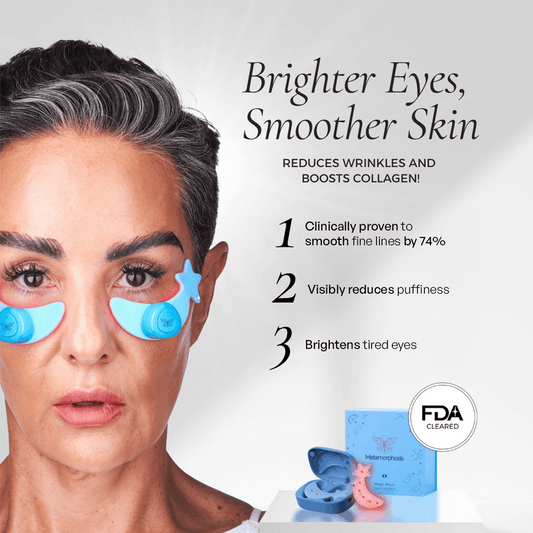
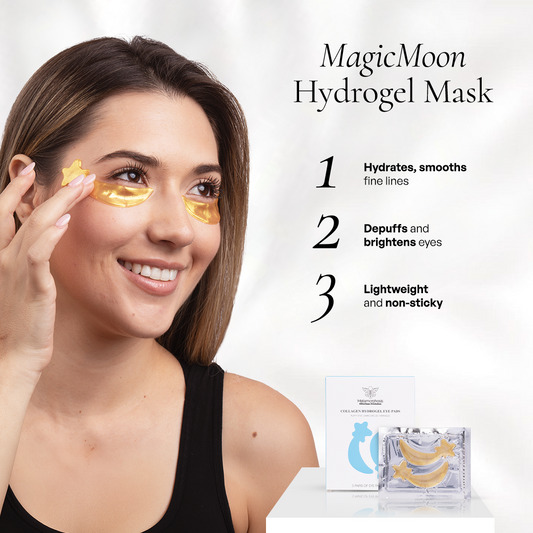
Matching a device to the evidence means matching it to your specific concern, not buying the biggest panel. For facial firmness, our MorphoGlow delivers multi-wavelength red, deep red, and near-infrared light to the jawline and cheeks for $189. For the eye area, MagicMoon Eye Evolution showed visible improvement in fine lines and texture for 74% of users in a 12-week clinical study, priced at $289.
Best for: targeted facial concerns. Skip if: you want a full-body panel.
Frequently Asked Questions
Does red light therapy help with wrinkles?
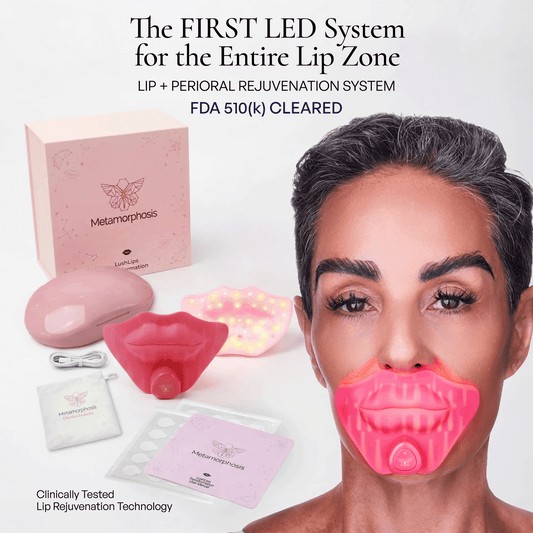
Some controlled trials point to modest improvement. A 2014 controlled trial by Wunsch and colleagues examined red and near-infrared light for skin rejuvenation and reported measurable changes in skin appearance. A 2026 product-guide review also notes that two randomized controlled trials found combining red and near-infrared wavelengths increased collagen density. The honest framing: results are real but gradual, and they depend on consistent sessions over weeks, not a single treatment. Devices cleared by the FDA for wrinkle reduction, like LushLips for the perioral area, are the ones to look for if wrinkles are your main concern.
Can red light therapy help acne?
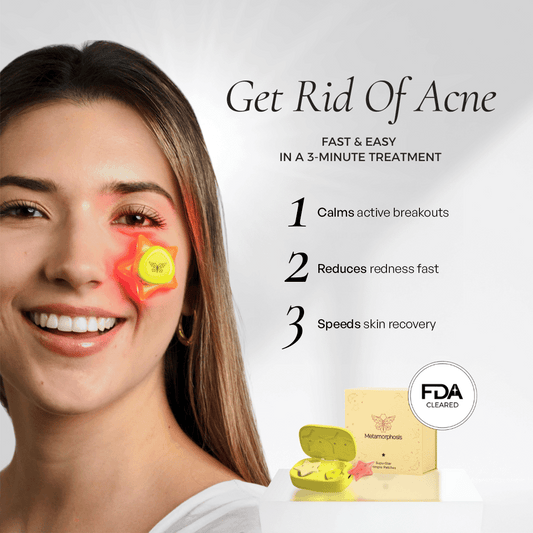
Red light therapy benefits for skin include reducing inflammation and targeting acne-causing bacteria, which is why it is often used as a non-aggressive option for persistent breakouts. It works best as a supporting treatment rather than a replacement for a dermatologist's plan, especially for moderate to severe acne. If topicals have stopped working for you, ask your dermatologist whether light therapy fits your routine. Consistency matters more than intensity: short, regular sessions beat occasional long ones.
How often should you use red light therapy on your face?
Most clinical trials reviewed in a 2026 product guide used sessions of roughly 10 to 12 minutes, twice per week. At-home devices often shorten this: some cleared devices are designed for about three minutes daily. The practical rule is to follow the device's own protocol rather than copying a study or a friend's routine. More is not better. Overuse raises the risk of irritation, and skipping days does not produce faster results. Pick a schedule you can repeat for at least four to twelve weeks.
Is red light therapy safe for all skin types?
Red light therapy side effects are generally mild and low risk, which is why it suits most skin types, including sensitive and reactive skin. The main precautions: protect your eyes with the provided goggles, avoid use over suspicious moles or open wounds, and check with a doctor if you take photosensitizing medications such as certain antibiotics or retinoids. If your skin stings or reddens and stays that way, cut session length. FDA-cleared devices have undergone a review of their safety and intended use, which is a reasonable minimum standard.
The gap between marketing and evidence is real, and closing it starts with choosing devices that publish their specifications and clearances. Metamorphosis Light Therapy builds FDA-cleared devices backed by independent clinical studies, with features like three-minute treatment sessions and multi-wavelength protocols designed around the outcomes research actually supports. Get started with Metamorphosis Light Therapy and treat your skin with technology that earns its claims.